
Electroculture: A Comprehensive Guide (PDF Focus)
Electroculture PDF resources are increasingly popular, offering detailed guides and research. Many downloadable PDFs detail antenna construction, soil preparation, and plant-specific techniques.
Analyzing these electroculture PDF guides reveals varying levels of scientific rigor, with some focusing on anecdotal evidence and others presenting experimental data.
Popular electroculture PDF downloads often include instructions for building simple antennae and optimizing placement for enhanced plant growth, alongside troubleshooting tips.
What is Electroculture?
Electroculture, at its core, is a gardening technique centered around harnessing atmospheric electricity to stimulate plant growth. It’s a practice rooted in the belief that plants thrive when connected to the Earth’s natural electrical field and that amplifying this connection can lead to significantly enhanced yields and plant vitality. While seemingly esoteric, the concept has gained traction, fueled by readily available information, much of which is distributed through PDF guides.
These PDF resources often explain that plants naturally generate a weak electrical potential, and electroculture aims to augment this. This is typically achieved through the use of antennae – often made of copper – strategically placed in gardens to attract and channel atmospheric electricity down into the soil and, ultimately, to the plant roots. The electroculture PDF literature emphasizes the importance of conductivity, both in the antennae material and the soil itself.
Many electroculture PDF guides detail various antenna designs, ranging from simple single-wire setups to more complex spiral or pyramid configurations. The underlying principle, as explained in these documents, is to create a pathway for electrons to flow, promoting cellular activity and nutrient uptake within the plants. The accessibility of electroculture PDF information has contributed to its growing popularity among both seasoned gardeners and those seeking alternative agricultural methods.
Historical Roots of Electroculture
The origins of electroculture trace back to the late 19th and early 20th centuries, with pioneers like Justin Christofleau and Georges Lakhovsky laying foundational work. Lakhovsky, a French scientist, theorized about cellular oscillations and the importance of electromagnetic radiation for plant health – concepts frequently detailed in modern electroculture PDF guides. Christofleau’s work focused on utilizing copper antennae to enhance plant growth, a practice still central to the technique today.
Early experimentation, documented in historical texts and now often compiled into electroculture PDF resources, involved observing increased yields and resilience in plants grown with these antennae. These initial findings sparked further research, though much of it remained outside mainstream scientific circles. The availability of these historical accounts, often digitized and shared as PDF documents, has fueled a resurgence of interest in electroculture.
Many electroculture PDF compilations present these early experiments alongside contemporary adaptations, highlighting the enduring principles of the practice. While the scientific understanding of the mechanisms involved has evolved, the core idea – harnessing atmospheric energy for plant benefit – remains consistent. The accessibility of these historical PDF materials allows enthusiasts to connect with the roots of this intriguing gardening method.
The Role of Atmospheric Electricity
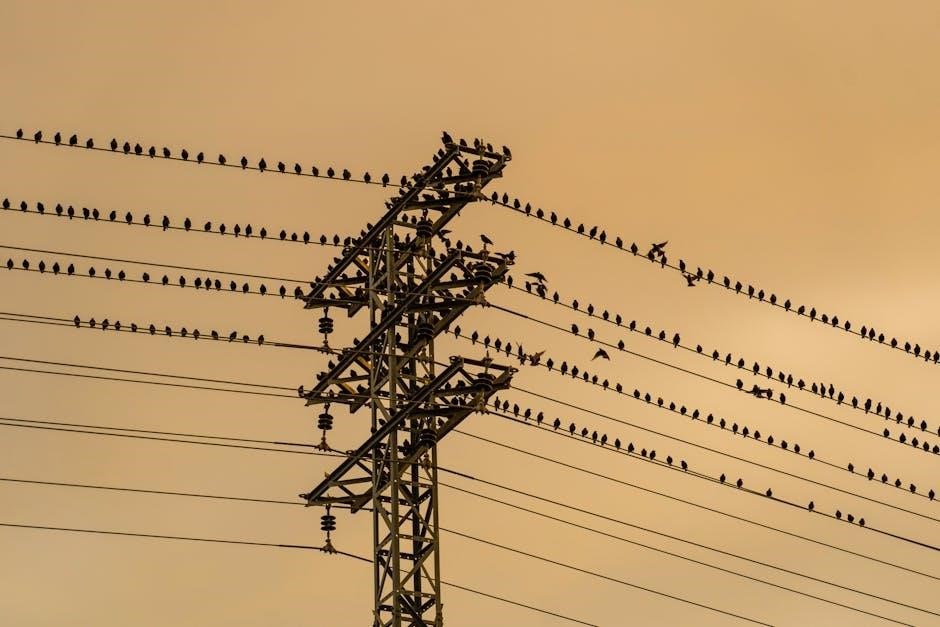
Electroculture fundamentally centers on harnessing atmospheric electricity to stimulate plant growth, a concept extensively explored in available electroculture PDF guides. The Earth possesses a natural electrical field, and these resources detail how antennae act as conductors, drawing in and channeling this energy to plants. Many PDF documents emphasize the importance of the ionosphere and its influence on plant vitality.
These electroculture PDF materials often explain that plants, like all living organisms, are bio-electrical systems. Atmospheric electricity is believed to enhance cellular processes, nutrient uptake, and overall plant health; The specific mechanisms are still debated, but the prevailing theory suggests increased electron flow within the plant. Detailed diagrams within PDF guides illustrate how antennae create a localized electrical potential.
Furthermore, electroculture PDF resources frequently discuss the impact of weather patterns and geomagnetic activity on atmospheric electricity levels, suggesting optimal times for antenna use. Understanding this interplay is crucial for maximizing the benefits of electroculture, as outlined in numerous downloadable guides. The role of atmospheric electricity is therefore central to the entire practice.
Basic Principles of Electroculture Gardening
Electroculture gardening, as detailed in numerous PDF guides, revolves around enhancing natural plant energies. Core principles involve utilizing antennae to capture atmospheric electricity and directing it into the soil and plants. These electroculture PDF resources consistently emphasize the importance of copper as a primary conductive material for antenna construction, due to its excellent electrical properties;
A foundational concept within electroculture PDF documentation is creating a beneficial electromagnetic environment for plants. This is achieved through antenna placement and design, aiming to stimulate growth and increase yields. Soil preparation, often outlined in PDF guides, focuses on organic matter and avoiding chemical fertilizers, which are believed to disrupt the natural electrical flow.
Many electroculture PDF materials advocate for structured water, believing it enhances conductivity and nutrient absorption. The basic principle is to work with nature, amplifying existing energies rather than imposing artificial ones. Successful electroculture relies on understanding these interconnected elements, as explained in comprehensive downloadable guides.
Antennae and Electroculture: Types & Construction
Electroculture PDF guides detail a variety of antenna designs, ranging from simple single-wire configurations to more complex helical and pyramid structures. Common types, illustrated in these PDF resources, include the single-needle antenna, the coil antenna, and the French antenna, each with varying levels of complexity and purported effectiveness.
Construction, as outlined in numerous electroculture PDF documents, typically involves using copper wire or rods, often galvanized to prevent corrosion. The PDFs emphasize precise bending and shaping of the copper, as the antenna’s geometry is believed to influence its ability to capture atmospheric energy. Grounding is also a critical aspect, frequently detailed in PDF instructions.
Many electroculture PDFs provide step-by-step instructions with diagrams, catering to both beginners and experienced practitioners. These guides often highlight the importance of antenna height and orientation relative to the plants and prevailing weather patterns. Experimentation and adaptation are encouraged, as optimal designs can vary based on location and plant type, as shown in detailed PDF analyses.
Copper as a Key Material in Electroculture
Electroculture PDF guides consistently emphasize copper’s pivotal role, attributing its effectiveness to its exceptional conductivity and unique energetic properties. These PDF resources explain that copper readily attracts and channels atmospheric electricity, a core principle of electroculture. Many PDFs detail how copper’s atomic structure facilitates the flow of subtle energies, enhancing plant vitality.
The electroculture PDF literature frequently recommends using pure copper, avoiding alloys that may diminish conductivity. Construction of antennae, as illustrated in these PDFs, almost exclusively features copper wire or rods. The PDFs also discuss the importance of keeping copper components clean and polished to maintain optimal performance.
Furthermore, several electroculture PDF documents explore the historical use of copper in various cultures for its perceived healing and energetic properties, linking these traditions to modern electroculture practices. These PDFs often suggest that copper’s resonance with natural energies contributes to improved plant growth and resilience, offering detailed explanations and diagrams.
Soil Preparation for Electroculture
Electroculture PDF guides universally stress the importance of healthy, biologically active soil as a foundation for successful implementation. These PDF resources advocate for moving beyond traditional gardening practices, emphasizing soil structure and microbial life. Many PDFs detail methods for creating a living soil ecosystem, rich in organic matter and beneficial microorganisms.
The electroculture PDF literature frequently recommends composting, vermicomposting, and the incorporation of cover crops to enhance soil fertility. These PDFs often provide specific recipes for soil mixes tailored to different plant types. The PDFs also highlight the avoidance of synthetic fertilizers and pesticides, which can disrupt the delicate balance of the soil ecosystem.
Furthermore, several electroculture PDF documents discuss the benefits of adding minerals like rock dust and clay to improve soil structure and nutrient availability. These PDFs often suggest that a well-prepared soil acts as a grounding medium, enhancing the effectiveness of electroculture antennae and promoting vigorous plant growth, offering detailed instructions.
Electroculture for Plant Growth: Mechanisms
Electroculture PDF resources propose several mechanisms by which these techniques stimulate plant growth, though scientific consensus remains limited. Many PDF guides suggest that antennae capture atmospheric electricity, channeling it into the soil and plants, enhancing nutrient uptake. These PDFs often detail theories about increased cellular activity and metabolic processes within plants due to this energy transfer.
Several electroculture PDF documents highlight the role of piezoelectricity, generated by the movement of water within plants and soil, amplified by copper antennae. These PDFs propose that this piezoelectric effect stimulates growth hormones and improves overall plant vitality. The PDFs also discuss the potential for improved water absorption and utilization.
Furthermore, some electroculture PDF materials suggest that the antennae create a subtle electromagnetic field that positively influences plant development. These PDFs often emphasize the importance of structured water, believing it enhances energy transfer and nutrient availability, offering detailed explanations of these processes.

Benefits of Using Electroculture Techniques

Electroculture PDF guides consistently tout a range of benefits, primarily centered around increased crop yields and enhanced plant health. Many PDF resources claim significantly faster growth rates and larger harvests compared to traditional gardening methods. These PDFs often showcase anecdotal evidence and user testimonials supporting these claims.
A recurring theme in electroculture PDF materials is improved plant resilience to pests and diseases. Proponents suggest that energized plants possess stronger immune systems, reducing the need for chemical interventions. Several PDFs also highlight the potential for enhanced nutrient density in crops grown using these techniques.
Furthermore, electroculture PDF documents emphasize the sustainability of these methods, requiring minimal external inputs and promoting a more natural growing environment. The PDFs often present electroculture as a low-cost, eco-friendly alternative to conventional agriculture, appealing to environmentally conscious gardeners.
Electroculture vs. Traditional Gardening
Electroculture PDF guides frequently draw comparisons to traditional gardening, highlighting key differences in approach and methodology. Traditional gardening relies heavily on soil amendments, fertilizers, and pest control, while electroculture emphasizes harnessing natural atmospheric energy. Many PDFs position electroculture as a more holistic and less interventionist method.

A significant distinction detailed in electroculture PDF resources is the role of antennae. Traditional gardening lacks this element, focusing instead on direct soil manipulation. PDFs explain how antennae act as conductors, drawing in atmospheric electricity to stimulate plant growth, a concept absent in conventional practices.
Furthermore, electroculture PDF materials often critique traditional gardening’s reliance on synthetic inputs, advocating for a more natural and sustainable approach. While traditional methods prioritize soil health, electroculture adds an energetic dimension, aiming to optimize plant vitality through atmospheric connection. These PDFs suggest electroculture can complement, not necessarily replace, traditional techniques.
Common Electroculture Antennae Designs
Electroculture PDF guides consistently showcase a variety of antenna designs, categorized by complexity and intended application. The simplest, frequently detailed in introductory PDFs, is the single-spire copper antenna, easily constructed from copper wire and a wooden stake.
More advanced designs, as illustrated in comprehensive electroculture PDF resources, include multi-spire antennae, often featuring a central vertical conductor surrounded by spiraling copper wires. These are believed to amplify the collection of atmospheric energy. PDFs also present variations like pyramid-shaped antennae, claiming enhanced energy focusing capabilities.
Several electroculture PDFs document the use of “French antennae,” characterized by their intricate coil structure. These designs, often requiring more skill to build, are purported to be highly effective. Detailed diagrams within these PDFs illustrate precise winding techniques and material specifications. The choice of design, according to these resources, depends on garden size, plant type, and desired energy amplification.
Building a Simple Electroculture Antenna
Many electroculture PDF guides begin with instructions for a basic antenna, ideal for beginners. Typically, this involves a length of 12-14 gauge solid copper wire – approximately 3-4 feet long – and a wooden or bamboo stake. PDFs emphasize using uncoated copper for optimal conductivity.
The PDF instructions generally detail forming the wire into a single spiral, starting from the stake’s top and winding downwards. Securing the coil with copper tape or wire is recommended, avoiding materials that might corrode. The stake is then driven into the ground near the plant, ensuring good soil contact.
Detailed electroculture PDFs often include diagrams illustrating the winding process and emphasize the importance of a tight, consistent spiral. Some PDFs suggest pointing the antenna towards prevailing winds or atmospheric electrical gradients. These guides also caution against using galvanized or plated copper, as coatings can impede energy flow. This simple design, as presented in numerous PDFs, serves as a foundational step into electroculture.
Optimizing Antennae Placement for Maximum Effect
Electroculture PDF resources consistently highlight the critical role of antenna placement. Many guides suggest positioning antennae to capture prevailing winds, theorizing they carry atmospheric energy. PDFs often recommend observing local weather patterns to identify optimal directions.
Several electroculture PDFs emphasize avoiding placement near metal structures or power lines, which can disrupt the natural energy flow. Distance from buildings and trees is also frequently advised. Soil composition around the antenna is another key factor detailed in PDF guides; well-drained, mineral-rich soil is preferred.
Advanced electroculture PDFs discuss utilizing dowsing or other intuitive methods to pinpoint energy hotspots. Some PDFs suggest experimenting with antenna angles, tilting them slightly towards the sky or adjusting based on plant response. The consensus across these PDF resources is that careful observation and experimentation are crucial for maximizing the benefits of electroculture.
Electroculture and Water: The Importance of Structured Water
Electroculture PDF guides frequently emphasize the synergy between electroculture techniques and the use of structured water. Many PDFs detail methods for creating structured water, including vortexing, magnetization, and utilizing specific crystal formations. The core idea is that structured water enhances nutrient absorption and plant vitality.
Several electroculture PDFs explain how structured water possesses a higher energy state, facilitating better communication between plants and their environment. They suggest that combining electroculture antennae with structured water irrigation significantly boosts growth rates and yields. PDFs often include diagrams illustrating water vortexing devices.
Advanced electroculture PDFs delve into the science of water memory and its potential impact on plant health. Some PDFs recommend charging water with sunlight or moonlight before use. The overarching message across these resources is that water quality is paramount in electroculture, and structured water represents a significant advantage.

Electroculture for Different Plant Types
Electroculture PDF resources often categorize techniques based on plant type, recognizing that optimal application varies. Many PDF guides dedicate sections to specific crops – root vegetables, leafy greens, fruiting plants, and herbs – detailing antenna configurations and soil amendments. These PDFs highlight that different plants respond uniquely to atmospheric energy.
Several electroculture PDFs suggest that fruiting plants benefit from taller antennae to capture more atmospheric electricity, while root vegetables thrive with ground-level configurations. PDFs frequently include charts outlining recommended antenna heights and copper wire gauges for various species. They also address the impact of plant size and growth habit.

Advanced electroculture PDFs explore the nuances of applying electroculture to sensitive plants or those with specific nutrient requirements. Some PDFs detail how to modify techniques for indoor plants or hydroponic systems. The consistent theme across these resources is that tailoring electroculture to the plant’s needs maximizes its potential.
Troubleshooting Common Electroculture Issues
Electroculture PDF guides frequently dedicate sections to troubleshooting, acknowledging that initial setups may encounter challenges. Common issues detailed in these PDFs include stunted growth, lack of visible effect, and corrosion of copper components. Many PDFs emphasize the importance of proper grounding and antenna placement as primary solutions.
Several electroculture PDFs address the problem of insufficient atmospheric energy, suggesting adjustments to antenna height or the addition of multiple antennae. They also cover the impact of weather conditions, noting that electroculture effectiveness can fluctuate with cloud cover and humidity. PDFs often recommend monitoring plant health closely.
Advanced electroculture PDFs delve into more complex issues like soil imbalances and electromagnetic interference. They provide guidance on soil testing and shielding techniques. These resources consistently stress the iterative nature of electroculture, encouraging experimentation and careful observation to optimize results. PDFs also warn against using improper materials.
Electroculture and PDF Resources: Finding Reliable Information
The proliferation of electroculture PDF guides online necessitates a discerning approach to information gathering. Many freely available PDFs range from well-researched manuals to anecdotal accounts, demanding critical evaluation. Reliable sources often cite experimental data and offer detailed explanations of underlying principles, as detailed in comprehensive electroculture PDFs.
When searching for electroculture PDF resources, prioritize those from established researchers or organizations with a demonstrable understanding of atmospheric electricity and plant physiology. Beware of overly sensational claims or guides lacking scientific backing. Cross-referencing information across multiple PDFs is crucial for validation.
Dedicated online forums and communities frequently curate lists of recommended electroculture PDFs, offering peer reviews and insights. Look for PDFs that emphasize practical application and provide clear, step-by-step instructions. Remember to assess the author’s credentials and the publication date of the electroculture PDF.
Analyzing Electroculture PDF Guides: What to Look For
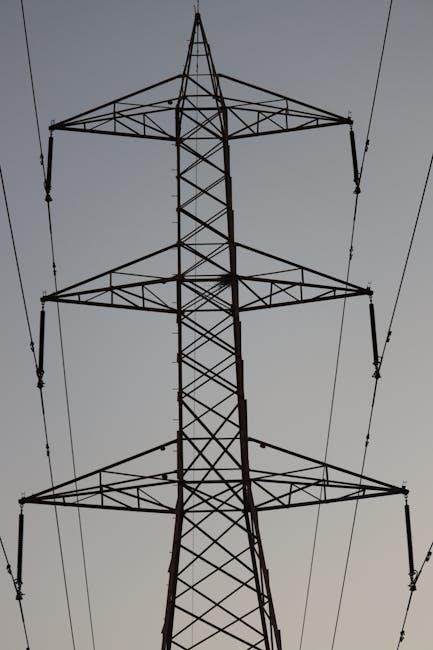
When evaluating electroculture PDF guides, several key elements indicate reliability and practical value. A strong PDF will clearly explain the principles of atmospheric electricity and its interaction with plant life, avoiding vague or unsubstantiated claims. Look for detailed diagrams and illustrations of antenna designs, construction techniques, and optimal placement strategies, as found in quality electroculture PDFs.
Assess whether the PDF provides specific guidance on soil preparation, water structuring, and plant-specific applications. A comprehensive guide will address potential challenges and offer troubleshooting advice. Pay attention to the level of detail regarding materials – a good electroculture PDF specifies copper types and gauge, for example.
Critically examine any experimental data presented. Is the methodology sound? Are results replicable? Beware of electroculture PDFs relying solely on anecdotal evidence. Finally, consider the overall presentation – a well-organized, clearly written PDF suggests a commitment to accuracy and clarity.
Popular Electroculture PDF Downloads & Reviews

Numerous electroculture PDF downloads circulate online, varying significantly in quality and content. “The Electroculture Handbook” consistently receives positive reviews for its comprehensive coverage of antenna construction and plant-specific techniques, though some find its scientific explanations limited. Another frequently downloaded PDF, “Advanced Electroculture,” focuses on optimizing antenna placement and utilizing structured water, garnering praise for its detailed diagrams.
However, several free electroculture PDFs lack scientific rigor, relying heavily on anecdotal evidence. User reviews often highlight inconsistencies and a lack of practical guidance in these resources. A recurring theme in negative reviews concerns incomplete antenna designs or unclear instructions.
Before downloading any electroculture PDF, check user forums and online communities for feedback; Look for reviews mentioning replicability of results and clarity of instructions. Prioritize PDFs from reputable sources and those offering a balanced approach between theory and practical application.
Electroculture and Command Line Tools (CMD.exe) ౼ Automation Potential
While seemingly disparate, integrating electroculture practices with command-line tools like CMD.exe presents intriguing automation possibilities. Monitoring systems, often requiring regular data logging, can be streamlined using scheduled tasks initiated via CMD.exe batch files. Imagine automating the recording of environmental data – temperature, humidity, atmospheric pressure – crucial for optimizing electroculture antenna performance.
Furthermore, CMD.exe can facilitate remote access to sensor data, allowing for off-site monitoring and adjustments. This is particularly useful for larger electroculture setups or those in remote locations. However, the initial setup requires scripting knowledge to create and schedule the necessary commands.
The challenge lies in interfacing physical sensors with a system accessible via CMD.exe. This often involves intermediary software or hardware to translate sensor readings into a format CMD.exe can process. Despite this complexity, the potential for automated electroculture monitoring is significant.
Using CMD.exe to Schedule Electroculture System Monitoring
Leveraging CMD.exe for scheduled electroculture system monitoring involves creating batch files that execute commands at predefined intervals. These commands can launch programs to collect data from sensors measuring parameters like soil moisture, temperature, and atmospheric voltage – all vital for optimizing antenna performance. The ‘schtasks’ command within CMD.exe allows for the creation of these scheduled tasks.
A basic batch file might include commands to log data to a text file, which can then be analyzed later. More sophisticated scripts could utilize external tools to format the data or even upload it to a remote server for real-time monitoring. The key is to ensure the script accurately captures the necessary data and handles potential errors gracefully.
However, remember that CMD.exe’s capabilities are limited. Complex data analysis or visualization will likely require integration with other scripting languages or software. Careful planning and testing are crucial to ensure the scheduled tasks function reliably and provide meaningful insights into your electroculture system.
CMD.exe and Remote Access to Electroculture Data
Establishing remote access to electroculture data collected via CMD;exe requires careful consideration of network security and data transfer protocols. While CMD.exe itself doesn’t natively support remote access, it can be used to trigger scripts that facilitate it. These scripts might utilize tools like PowerShell’s `Invoke-WebRequest` to send data to a remote server or cloud storage.
Alternatively, a scheduled task in CMD.exe could initiate a remote desktop connection, allowing direct access to the data logs. However, this approach necessitates robust security measures, including strong passwords and potentially a VPN, to prevent unauthorized access. Utilizing secure file transfer protocols like SFTP is also recommended.
Analyzing electroculture PDF guides often reveals discussions on data logging and remote monitoring, though specific CMD.exe implementations are less common. Remember to prioritize data encryption and authentication to protect sensitive information gathered from your electroculture experiments.
Safety Considerations with Electroculture Systems
Electroculture systems, while generally considered low-risk, necessitate certain safety precautions. Many electroculture PDF guides emphasize grounding antennae properly to mitigate potential electrical hazards, particularly during thunderstorms. Copper antennae, a common component, should be handled with care to avoid sharp edges.
Furthermore, the use of water in conjunction with electrical components requires diligent attention to prevent short circuits and electrical shock. Ensure all connections are weatherproofed and insulated. Avoid building systems near flammable materials. Regularly inspect antennae for corrosion or damage.
Analyzing electroculture PDF resources reveals a common theme: responsible experimentation. While atmospheric electricity is harnessed, it’s crucial to respect its power. Prioritize safety by understanding the principles involved and implementing appropriate protective measures. Always disconnect power during maintenance or modifications.
Future Trends in Electroculture Research
Electroculture research is poised for expansion, driven by increasing interest in sustainable agriculture. Current electroculture PDF guides often lack rigorous scientific validation, presenting a key area for future study. Researchers are beginning to investigate the precise mechanisms by which atmospheric electricity influences plant growth, moving beyond anecdotal evidence.
Emerging trends include the integration of electroculture with sensor technology and data analytics. Utilizing CMD.exe or similar tools for automated monitoring, as discussed in some PDFs, could provide valuable insights into system performance. Further exploration of structured water’s role, frequently mentioned in guides, is also anticipated.
The development of standardized antenna designs and optimized soil preparation techniques, informed by comprehensive PDF-based research, will be crucial. Expect to see more studies focusing on the effects of different frequencies and intensities of atmospheric electricity on various plant species, ultimately refining electroculture practices.
Resources and Further Learning (PDFs, Websites, Communities)
Numerous electroculture PDF guides are available online, offering a starting point for exploration. Websites dedicated to permaculture and alternative gardening often host downloadable resources and forums. Be critical when evaluating electroculture PDF content; prioritize guides detailing experimental setups and data analysis over purely anecdotal accounts.
Online communities, found on platforms like Reddit and dedicated forums, provide spaces for sharing experiences and troubleshooting. These communities frequently share links to relevant electroculture PDF documents and discuss practical applications; Remember to cross-reference information from multiple sources.
For deeper technical understanding, explore resources related to atmospheric electricity and plant biophysics. While direct electroculture PDF resources may be limited, these fields provide the scientific foundation. Consider utilizing command-line tools, as outlined in some PDFs, to automate data collection and analysis of your own experiments.