Vista 128BPT User Guide: A Comprehensive Overview
Welcome! This guide provides detailed instructions for setting up, using, and maintaining your Vista 128BPT storage device, ensuring optimal performance and data security.
The Vista 128BPT is a high-performance network attached storage (NAS) solution designed for both home and small business users. It offers a centralized and secure location to store, access, and share your valuable data. This device boasts substantial storage capacity, allowing you to consolidate files from multiple computers and devices onto a single, easily manageable system.
Featuring a user-friendly interface and robust data protection features, the Vista 128BPT simplifies data management. It supports various RAID configurations (depending on the model) to enhance data redundancy and prevent data loss in case of drive failure. Beyond simple storage, it provides functionalities like media streaming, remote access, and automated backups.
This user guide will walk you through every step, from initial setup and configuration to advanced features and troubleshooting, ensuring you can fully leverage the capabilities of your Vista 128BPT. Prepare to experience seamless data access and peace of mind!
Unboxing and Initial Setup
Congratulations on purchasing the Vista 128BPT! This section guides you through the initial setup process. Carefully unpack the box and ensure all components are present. Retain the original packaging for potential future transport or warranty claims.
Before proceeding, inspect the device for any physical damage that may have occurred during shipping. If damage is detected, immediately contact your retailer or our support team. Once confirmed intact, place the Vista 128BPT on a stable, well-ventilated surface.
Connect the provided power adapter to the device and a suitable power outlet. Do not power on the device yet. Next, connect an Ethernet cable from your router to the LAN port on the rear panel. We’ll verify functionality shortly. This initial connection is crucial for accessing the setup wizard. Follow the subsequent sections for detailed instructions.
Package Contents Verification
Before you begin, it’s essential to verify that all included components are present and undamaged. Your Vista 128BPT package should contain the following items:
- Vista 128BPT Storage Device: The main unit.
- Power Adapter: Specifically designed for this device – check the voltage compatibility.
- Ethernet Cable: For wired network connection.
- Quick Start Guide: A condensed version of this user manual.
- Mounting Screws: For optional rack mounting (if applicable to your model).
Carefully inspect each item for any signs of physical damage. If any component is missing or damaged, do not attempt to use the device. Contact our customer support immediately with your order number and a description of the issue. Retaining all original packaging will expedite the resolution process. A complete inventory ensures a smooth setup experience.
Powering On and Basic Functionality Check
Once you’ve verified the package contents, proceed with powering on the Vista 128BPT. Connect the provided power adapter to the device and then to a grounded electrical outlet. The power button is located on the rear panel; press it firmly to initiate startup. Allow approximately 60 seconds for the device to boot up completely.
Observe the front panel indicators. A solid power LED confirms the device is receiving power. Check for activity LEDs, which will blink during data transfer. If the device fails to power on, double-check the power connection and outlet. If it powers on but exhibits unusual behavior (e.g., flashing error lights), consult the troubleshooting section. A basic functionality check involves attempting to access the device via your computer – a successful connection confirms initial operation.
Understanding the Interface
The Vista 128BPT interface is designed for intuitive operation and efficient data management. It’s crucial to familiarize yourself with both the front and rear panel components to fully utilize the device’s capabilities. The front panel provides quick access to status indicators, displaying power, activity, and potential error conditions. These LEDs offer immediate feedback on the device’s operational state.
The rear panel houses all the connection ports, including power input, Ethernet ports for network connectivity, and USB ports for direct connection to computers. Understanding the function of each port is essential for proper setup and troubleshooting. Detailed descriptions of each control and port are provided in the following sections, ensuring you can confidently navigate and utilize the Vista 128BPT’s interface.

Front Panel Controls & Indicators
The Vista 128BPT’s front panel features a minimalist design with key status indicators. The Power LED illuminates solid blue when the device is powered on and functioning correctly. A blinking blue Power LED indicates a standby or sleep mode. The Activity LED flashes green during data transfer, providing visual confirmation of ongoing operations. A solid green Activity LED suggests data is actively being accessed.
Crucially, the Error LED is red; a lit Error LED signals a potential issue requiring attention – consult the troubleshooting section of this guide. There are no user-adjustable controls on the front panel; all configuration is managed through the web interface or connected computers. Regularly monitoring these indicators allows for proactive identification of potential problems, ensuring data integrity and uninterrupted service. Understanding these simple cues is vital for efficient operation.
Rear Panel Connections & Ports
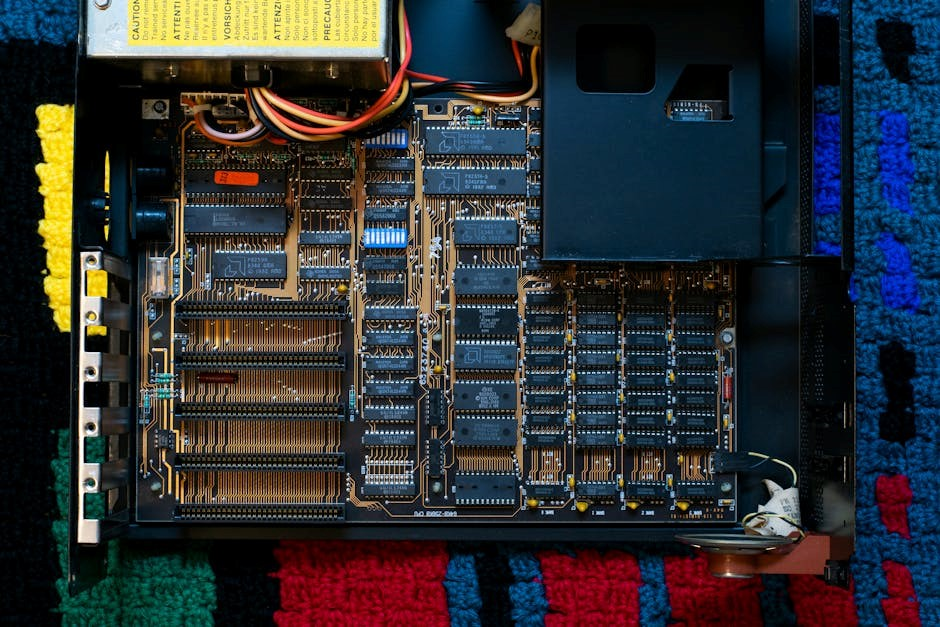
The Vista 128BPT’s rear panel provides comprehensive connectivity options for seamless integration into your network. You’ll find two Gigabit Ethernet ports, supporting link aggregation for increased bandwidth and redundancy. A single USB 3.0 port allows for direct connection to a computer for initial setup or data transfer. The Power Connector accepts a standard IEC C13 power cable (included).
Additionally, there’s a Console Port (RS-232) for advanced troubleshooting and direct system access, though this is primarily intended for experienced users. A Kensington Security Slot provides a physical security measure to deter theft. Ensure all cables are securely connected before powering on the device. Proper cable management is recommended to maintain airflow and prevent accidental disconnections. Refer to the diagrams for correct port identification.
Core Features & Capabilities
The Vista 128BPT is engineered for robust data storage and reliable performance. It boasts a substantial 128TB capacity, ideal for demanding applications like video surveillance, large-scale backups, and content archiving. Key features include support for multiple RAID levels (see Advanced Configuration), providing data redundancy and improved read/write speeds.
The device supports standard network file sharing protocols like SMB/CIFS, NFS, and AFP, ensuring compatibility with various operating systems. Integrated user access controls allow administrators to define granular permissions. Furthermore, the Vista 128BPT offers advanced data protection features, including S.M.A.R.T. monitoring for drive health and automated email alerts for potential issues. Its efficient power management system minimizes energy consumption and operational costs.
Data Storage & Capacity
The Vista 128BPT provides an expansive 128 terabytes of raw storage capacity, offering ample space for diverse data needs. This substantial volume is suitable for storing high-resolution media, extensive backups, and large databases. The internal architecture utilizes high-density hard drives, optimized for both capacity and reliability.
Usable capacity may vary slightly depending on the configured RAID level and file system overhead. The device supports common file systems such as EXT4, NTFS, and FAT32, allowing for flexibility in data organization. Users can easily monitor storage utilization through the web-based interface, tracking free space and identifying potential capacity constraints. Efficient data compression techniques can further maximize storage efficiency, though performance may be affected. Regular monitoring of storage usage is recommended to proactively manage capacity.
Backup & Recovery Options
The Vista 128BPT offers versatile backup and recovery solutions to safeguard your valuable data. It supports standard backup protocols like Rsync and SMB/CIFS, enabling seamless integration with existing backup software. Users can schedule automated backups to the Vista 128BPT from multiple devices, ensuring consistent data protection.
In the event of data loss, the device facilitates quick and reliable recovery. Snapshot functionality allows for point-in-time copies of data, enabling rapid restoration to a previous state. The web interface provides a user-friendly interface for managing backups and initiating restores. Furthermore, the Vista 128BPT supports cloning, allowing for the creation of exact copies of the entire storage volume. Regularly testing your backup and recovery procedures is crucial for verifying data integrity and minimizing downtime.
Setting Up Your Vista 128BPT
Before you begin, ensure the Vista 128BPT is properly connected to a power source and your network. The initial setup process is streamlined for ease of use. Access the device’s web-based configuration interface by entering its default IP address into your web browser – this is typically found on the device’s label.
The interface will guide you through the essential configuration steps. This includes setting a strong administrator password, configuring network settings (either static IP or DHCP), and defining the storage volume. You’ll also be prompted to create user accounts with specific permissions. Proper network configuration is vital for accessibility, while robust user permissions enhance data security. Following these steps will establish a secure and functional storage environment.
Network Configuration (Wired & Wireless)
Connecting your Vista 128BPT to your network is crucial for accessibility. For a wired connection, simply use an Ethernet cable to connect the device to your router or switch. The device will typically obtain an IP address automatically via DHCP. Alternatively, you can assign a static IP address through the web interface, ensuring consistent access.
Wireless configuration requires selecting your network SSID from the available list and entering the correct password. Ensure your wireless network is secure with WPA2 or WPA3 encryption. After connecting wirelessly, verify the connection by pinging the device from another computer on the network. Proper network settings are essential for seamless data transfer and remote access to your stored files. Regularly check the network status within the device’s interface.
User Account Creation & Permissions
Establishing secure user accounts is vital for data protection on your Vista 128BPT. Begin by creating an administrator account with a strong, unique password. Subsequently, you can create additional user accounts with varying levels of access. Permissions can be customized to control which users can read, write, or delete files and folders.
Consider implementing the principle of least privilege – granting users only the necessary permissions to perform their tasks. This minimizes the risk of accidental data loss or unauthorized access. Regularly review user accounts and permissions to ensure they remain appropriate. Utilize strong password policies and consider enabling two-factor authentication for enhanced security. Proper user management safeguards your valuable data and maintains system integrity.

Advanced Configuration
Delving into advanced settings unlocks the full potential of your Vista 128BPT. This section covers RAID configuration – if your model supports it – allowing you to enhance data redundancy and performance through mirroring or striping. Explore detailed security settings, including access control lists (ACLs) to finely tune permissions beyond basic user accounts.
Network settings can be optimized for specific bandwidth requirements or Quality of Service (QoS) prioritization. Advanced users can configure port forwarding, VPN access, or utilize scripting for automated tasks. Regularly review these settings to ensure they align with your evolving needs and security best practices. Remember to document any changes made for easy troubleshooting and rollback if necessary. Careful configuration maximizes the Vista 128BPT’s capabilities.
RAID Configuration (If Applicable)
If your Vista 128BPT supports RAID, this section details the configuration process. RAID (Redundant Array of Independent Disks) combines multiple drives for improved performance or data redundancy. Common levels include RAID 0 (striping – performance, no redundancy), RAID 1 (mirroring – redundancy, lower capacity), and RAID 5 (striping with parity – balance).
Access the RAID configuration utility through the device’s web interface. Carefully select your desired RAID level, understanding the trade-offs. Warning: Configuring RAID will erase all data on the selected drives. Ensure a complete backup before proceeding. The utility will guide you through drive selection and array creation. Monitor the initialization process, which can take several hours depending on drive capacity. Verify the RAID array’s health regularly through the monitoring tools.
Security Settings & Access Control
Protecting your data is paramount. The Vista 128BPT offers robust security features. Access control is managed through user accounts with customizable permissions. Create strong, unique passwords for each user and regularly update them. Enable two-factor authentication (if available) for enhanced security.
Configure access permissions to restrict user access to specific folders or files. Utilize the built-in encryption features to safeguard sensitive data at rest. Regularly review user access logs to identify any suspicious activity. Consider enabling IP address filtering to limit access to trusted networks. Important: Keep the device’s firmware updated to benefit from the latest security patches. Implement a strong backup strategy to mitigate data loss in case of a security breach. Regularly audit security settings to ensure continued protection.
Troubleshooting Common Issues
Encountering problems? This section addresses frequent issues. If the Vista 128BPT isn’t recognized, check all cable connections and power supply. For network connectivity issues, verify network settings and ensure the device has a valid IP address. A slow transfer speed might indicate network congestion or a faulty cable; try a different cable or network port.
Data access errors often stem from incorrect permissions or file system corruption. Verify user permissions and run a disk check utility. If the device becomes unresponsive, try a power cycle – disconnect and reconnect the power cable. Note: Before performing any troubleshooting steps, consult the online knowledge base for specific error codes. If problems persist, contact technical support, providing detailed information about the issue and any error messages received. Regularly check the device logs for clues.
Connectivity Problems
Experiencing connection difficulties with your Vista 128BPT? First, ensure the Ethernet cable is securely connected to both the device and your network router/switch. Verify the cable isn’t damaged. If using Wi-Fi, confirm you’ve entered the correct network password and the device is within range of the router. Check the router’s settings to ensure the Vista 128BPT’s MAC address isn’t blocked.
If the device still isn’t connecting, try restarting both the Vista 128BPT and your router. Confirm the device has obtained an IP address – access the device’s interface to check. A static IP address may require manual configuration. Note: Interference from other wireless devices can sometimes cause connectivity issues; try changing the Wi-Fi channel on your router. Consult your network administrator if problems persist.
Data Access Errors
Encountering issues accessing your data on the Vista 128BPT? Begin by verifying the user account has the necessary permissions to access the requested files or folders. Double-check file names and paths for any typos or incorrect capitalization. If accessing remotely, ensure a stable network connection and that the shared folders are correctly configured.
Data corruption can also cause access errors. Run a disk check utility (like CHKDSK on Windows) to scan for and repair potential file system errors. If the problem persists, consider restoring from a recent backup. Important: Avoid forcing access to potentially corrupted files, as this could worsen the situation; Check the device’s logs for any error messages that might provide clues. Contact support if errors continue after these steps.
Maintenance & Best Practices
To ensure the longevity and optimal performance of your Vista 128BPT, regular maintenance is crucial. Periodically check the drive’s health status using the provided monitoring tools – early detection of potential issues can prevent data loss. Keep the device’s firmware updated to benefit from bug fixes, performance improvements, and new features.
Implement a consistent backup strategy, utilizing the Vista 128BPT’s backup features or third-party solutions. Avoid physically jarring the device during operation. Maintain a clean and well-ventilated environment to prevent overheating. Regularly review user access permissions and remove any unnecessary accounts. Following these best practices will maximize the reliability and lifespan of your Vista 128BPT storage solution.
Firmware Updates
Keeping your Vista 128BPT’s firmware up-to-date is essential for optimal performance, stability, and security. Check the manufacturer’s website regularly for new firmware releases. Updates often include bug fixes, performance enhancements, and compatibility improvements for new hardware. The update process is typically straightforward, often initiated through the device’s web interface or dedicated software.
Before initiating an update, it’s crucial to back up all important data. Do not interrupt the update process, as this could potentially damage the device. A stable power supply is also vital during the update. Follow the on-screen instructions carefully. After the update completes, verify the new firmware version is correctly installed. Consistent firmware updates contribute significantly to the long-term reliability of your Vista 128BPT.
Drive Health Monitoring
Proactive drive health monitoring is crucial for preventing data loss and ensuring the longevity of your Vista 128BPT. The device’s management interface provides SMART (Self-Monitoring, Analysis and Reporting Technology) data, offering insights into drive temperature, read/write error rates, and overall health status.
Regularly check these parameters for any anomalies or warning signs. Pay close attention to reallocated sector counts and pending sector counts, as these can indicate potential drive failures. Configure email alerts to notify you of critical health events. Early detection allows for timely data backup and drive replacement, minimizing potential disruptions. Ignoring warning signs can lead to catastrophic data loss. Consistent monitoring is a best practice for responsible data storage.
Warranty Information & Support
Your Vista 128BPT is covered by a limited warranty against defects in materials and workmanship for a period of two years from the date of purchase. This warranty does not cover damage resulting from misuse, accidents, or unauthorized modifications. Please retain your proof of purchase for warranty claims.
For technical support, frequently asked questions, and downloadable resources, please visit our website at [insert website address here]. Our support team is available via email at [insert support email address here] and by phone at [insert phone number here] during business hours. Before contacting support, please have your device’s serial number readily available. We are committed to providing prompt and effective assistance to ensure your satisfaction with the Vista 128BPT.